A Beginner’s Guide to Stretching at Home for Better Flexibility
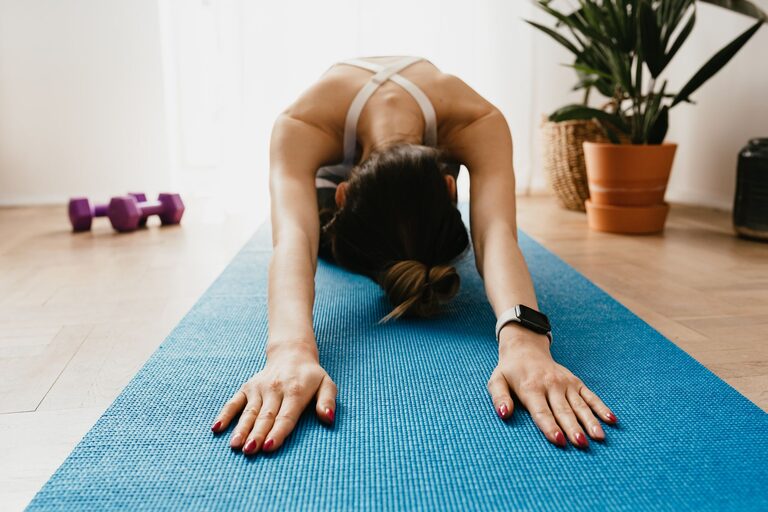
Stretching is a simple yet powerful activity that can improve your flexibility, reduce muscle tension, and enhance overall well-being. Whether you’re new to fitness or looking to add a calming routine to your day, stretching at home is an accessible way to move your body and feel better. This beginner’s guide will walk you through the basics of stretching, the benefits, and easy stretches you can do without any special equipment.
Why Stretching Matters
Stretching helps to lengthen muscles and improve joint range of motion. When done regularly, it can:
– Increase flexibility and mobility
– Reduce muscle stiffness and soreness
– Improve posture and balance
– Enhance blood flow and circulation
– Reduce risk of injury during physical activity
– Promote relaxation and stress relief
For beginners, starting a stretching routine at home offers a low-pressure environment where you can go at your own pace and listen to your body’s needs.
Preparation Before You Stretch
Before beginning your stretching session, keep these tips in mind:
Warm Up First
Stretching cold muscles may cause injury. Spend 5-10 minutes warming up with light activity such as walking in place, gentle jogging, or arm circles to increase blood flow.
Wear Comfortable Clothing
Choose loose, breathable clothes that allow you to move freely.
Use a Comfortable Surface
A yoga mat or carpeted floor provides cushioned support for floor stretches.
Breathe Normally
Breath control helps you stay relaxed and focused during stretching.
Basic Principles of Stretching
Here are some key points for safe and effective stretching:
– Move Slowly: Avoid bouncing or jerky motions.
– Hold Stretches: Aim to hold each stretch for 15-30 seconds.
– Feel a Gentle Pull: Stretch until you feel tension, but not pain.
– Stretch Both Sides: Always repeat stretches on both limbs.
– Be Consistent: Practice stretching 3-5 times per week for best results.
Easy Stretches to Get Started
Neck Stretch
– Sit or stand tall.
– Slowly tilt your head toward your right shoulder until you feel a gentle stretch on the left side of your neck.
– Hold for 20 seconds, then switch sides.
Shoulder Rolls
– Stand with feet hip-width apart.
– Roll your shoulders forward in a circle 10 times, then reverse.
– This helps loosen shoulder tension.
Chest Opener
– Clasp your hands behind your back.
– Straighten your arms and lift your chest while squeezing your shoulder blades together.
– Hold for 20-30 seconds.
Seated Forward Bend
– Sit on the floor with legs extended straight.
– Hinge at your hips and reach toward your toes while keeping your back straight.
– Hold for 20-30 seconds, feeling the stretch in your hamstrings.
Cat-Cow Stretch
– Start on your hands and knees.
– Inhale as you arch your back, lifting your tailbone and chest (Cow).
– Exhale as you round your spine toward the ceiling (Cat).
– Repeat 10 times to loosen the spine.
Standing Quad Stretch
– Stand near a wall or chair for balance.
– Bend your right knee and hold your right ankle behind you.
– Keep knees close and push your hips slightly forward.
– Hold for 20-30 seconds, then switch legs.
Calf Stretch
– Stand facing a wall with one foot forward and one foot back.
– Keep your back leg straight and heel on the ground.
– Lean into the wall until you feel a stretch in your calf.
– Hold for 20-30 seconds, then switch sides.
Creating a Simple Stretching Routine
Here’s a sample routine to try at home, which takes about 10-15 minutes:
- Warm-up (5 minutes): March or jog in place.
- Neck Stretch (20 seconds per side)
- Shoulder Rolls (10 forward, 10 backward)
- Chest Opener (30 seconds)
- Seated Forward Bend (30 seconds)
- Cat-Cow Stretch (10 repetitions)
- Standing Quad Stretch (30 seconds per leg)
- Calf Stretch (30 seconds per leg)
Repeat this routine 3-5 times per week to build flexibility and maintain muscle health.
Tips to Stay Motivated
– Set a specific time each day for stretching.
– Combine stretching with other wellness activities like meditation or deep breathing.
– Use online videos or apps to guide your routine.
– Celebrate small improvements in flexibility and comfort.
– Invite a friend or family member to stretch with you for accountability.
When to Be Careful
If you have existing injuries, chronic pain, or medical conditions, consult a healthcare professional before starting new stretches. Always stop if you feel sharp pain or discomfort.
—
Stretching at home is an easy, effective way to care for your body. With a little time and consistency, you’ll notice improvements in your flexibility, posture, and overall comfort. Start slow, listen to your body, and enjoy the journey toward feeling more relaxed and mobile!