
Simple Ways to Practice Creativity Every Day
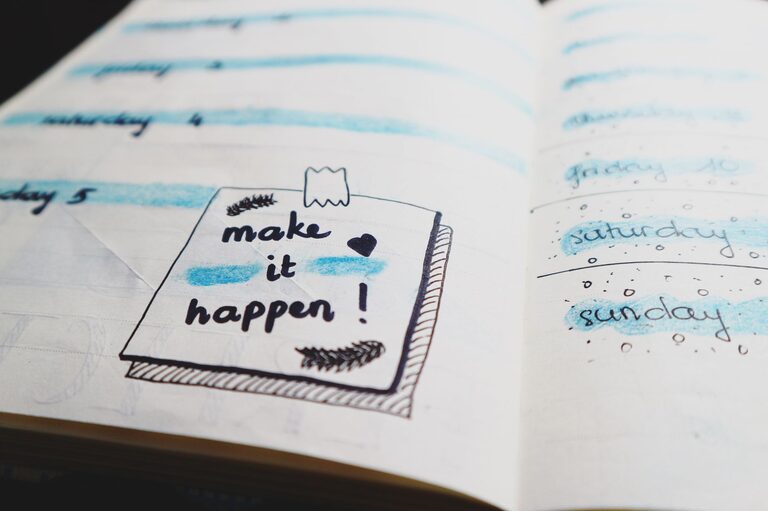
Creativity isn’t just for artists or writers; it’s a skill that everyone can nurture and develop. Practicing creativity daily can lead to greater problem-solving abilities, enhanced mental well-being, and a more joyful life. The good news is you don’t need special tools or a lot of time to spark your creative side. In this post, we’ll explore simple, practical ways to practice creativity every day.
Why Practice Creativity Daily?
Creativity is like a muscle — the more you use it, the stronger it becomes. Regular creative practice can help you:
– Generate new ideas and solutions
– Approach challenges with flexibility
– Reduce stress and increase happiness
– Build confidence in your abilities
Even spending just a few minutes each day on creative activities can have lasting benefits.
1. Keep a Creativity Journal
What to Write
A creativity journal is a simple notebook or digital document where you jot down anything creative that comes to mind. Some ideas include:
– Interesting observations from your day
– Ideas for projects or stories
– Quotes or images that inspire you
– Doodles, sketches, or mind maps
Benefits
Writing regularly helps train your brain to think creatively and notice the world differently. When you review your journal, you may discover patterns or sparks for future projects.
2. Try Daily Creative Prompts
Examples of Prompts
– Write a six-word story
– Draw an object in a new style
– Take a photo of something blue
– Create a poem with just three lines
How to Use Them
Set aside 5 to 10 minutes daily to respond to a creative prompt. There are many websites and apps offering free prompts if you need ideas. The key is consistency, not perfection.
3. Change Your Routine
Why It Helps
Routine can be comforting but sometimes limits creativity. Trying new things stimulates your brain and sparks fresh ideas.
Simple Changes to Try
– Take a different route on your walk
– Eat a new type of cuisine
– Rearrange your workspace
– Listen to a new genre of music
4. Embrace Mistakes and Experimentation
Creativity thrives when you’re willing to take risks and try new approaches. Don’t worry about your ideas being perfect. Treat “mistakes” as opportunities for learning and growth.
Tips for Experimentation
– Use different materials for a hobby (e.g., try watercolor instead of pencil)
– Write without editing for a set time
– Combine unrelated ideas to create something unique
5. Spend Time in Nature
Nature offers endless inspiration and can help clear your mind. Whether it’s a park visit, a garden stroll, or simply watching clouds, spending time outdoors can recharge your creativity.
Ideas for Nature-Based Creativity
– Sketch plants or landscapes
– Write a poem inspired by natural sounds
– Collect leaves, rocks, or shells to use in art
6. Collaborate and Share Ideas
Talking with others and sharing your creative efforts can boost motivation and introduce new perspectives.
Ways to Collaborate
– Join creative groups or clubs
– Participate in online forums or challenges
– Share your work with friends or family for feedback
7. Limit Distractions and Practice Mindfulness
Creativity needs focus and mental space. Reduce distractions by turning off notifications or setting specific creative time blocks. Mindfulness exercises, such as deep breathing or meditation, can also help calm your mind and unlock creative thoughts.
8. Make Creativity a Fun Habit
Find joy in the creative process rather than focusing solely on the outcome. When you enjoy what you do, you’re more likely to keep it up.
Tips to Keep It Fun
– Experiment with playful projects (like doodling or crafting)
– Celebrate small achievements
– Mix creativity with relaxation activities
Final Thoughts
Creativity is accessible to everyone and can be nurtured with just small daily efforts. By embracing these simple habits, you’ll find yourself thinking more creatively, feeling more inspired, and enjoying life in new ways. Try incorporating one or two of these ideas into your routine and watch your creative confidence grow!